Undoubtedly, 2021 was the year of the spread of NFTs (non-fungible token). As an address holder in a cryptocurrency network, you may have different types of Digital Assets assigned to it, including different currencies with different balances. An NFT is a special type of such a Resource - it is created once in the blockchain (so-called mint) and assigned to one address. The information generated by the NFT token is sent like other transactions throughout the distributed blockchain network and acquires the status of non-erasable information and is owned by a specific address, which, of course, can be used to store currencies and Resources, the existence of which we will only learn about.
NFT tokens are only available on cutting-edge Cryptocurrency networks that allow other types of assets than just native currency. That's why you won't find NFTs on the Bitcoin network or in any of its numerous clones (Litecotin, BTG). A mechanism for creating custom entries has been added to Ravencoin, but it is doubtful whether they will reach the main branch of the Bitcoin code. NFT tokens are available in Ethereum and its clones (Polygon), the Solana network, Algorand and generally all networks that introduce the possibility of using programmable extensions - smart contracts. The first and most famous NFT exchanges were created on the Ethereum network, but due to high transaction costs, the Solana network, among others, is becoming more and more popular.
So what is an NFT? A single, indelible and indisputable record on the Internet, which may now express the right to possess an object posted by another user with such intention, or purchased with the assumption of respect for copyright. The object can be anything, in the future even real estate or intellectual property. Currently, these are most often pictures in digital form, or even just an indication of where such a picture may be located. Of course, it is not about owning the JPG or PNG file itself, but the right to it, a right created by making a digital transaction that cannot be undermined and cheated. There are no regulations or laws here. People invest a lot of money in NFTs because it is the future of investing in art, and for artists it is an opportunity to obtain funds for further activities. NFTs also cover other areas not related to art. These are game characters, or even proof of insurance. It is possible that in the future, records similar to the current NFTs will replace entries in real estate land and mortgage registers, and they themselves will become a blockchain.
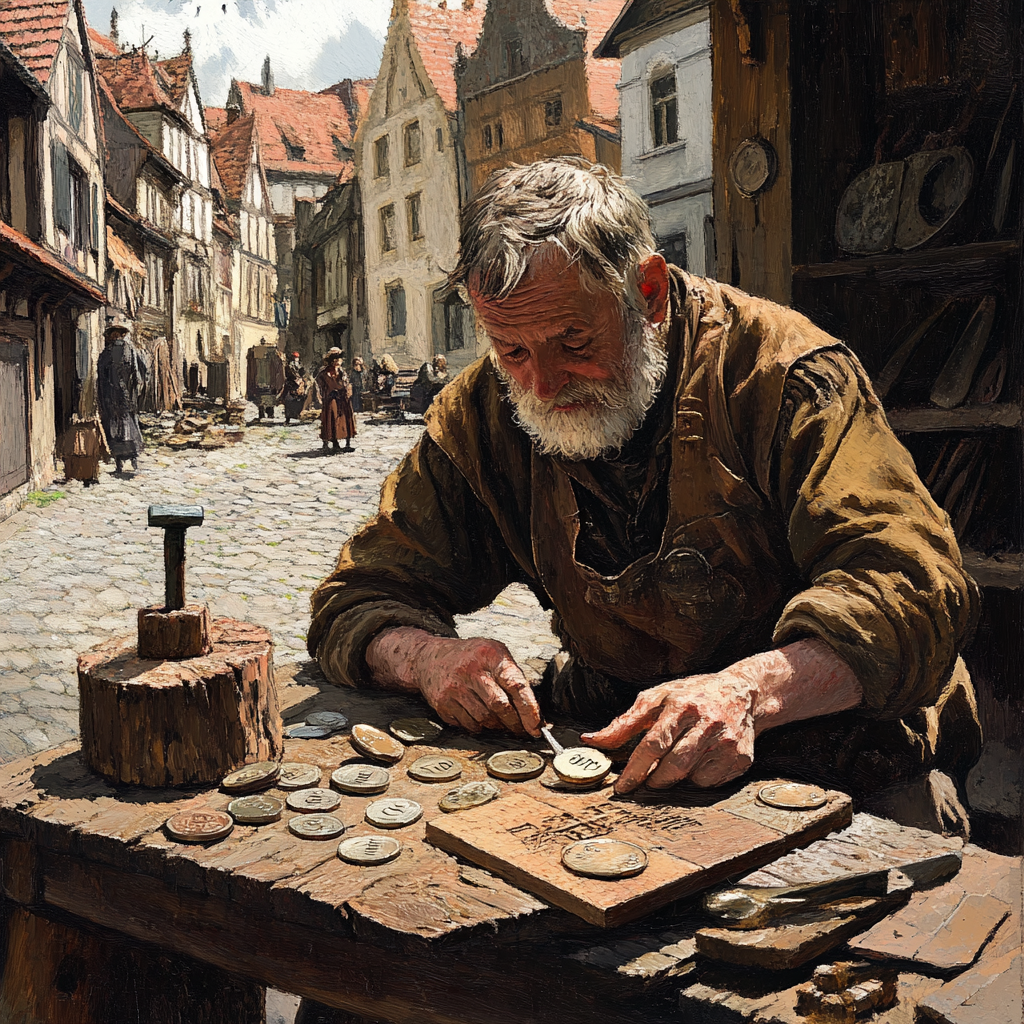
If the above explanations are not sufficient, it is worth mentioning a more illustrative comparison. Imagine the market square of a city or the ruins of a castle that you are visiting. There is a man sitting at the table, punching out numbered plaques. He has a stump and a hammer, you probably once bought freshly minted souvenir coins from him. You buy such a plaque from him, and he enters the transaction in the magic book, who bought the plaque number and when. The book is magical because it can be seen immediately in many places around the world, everyone who has access to it already knows that the plate with the number has been sold and to whom. Moreover, no one and nothing can change this provision. Now the seller has announced that there is an image associated with this plaque and number - he added a note with the graphic to the plaque. What follows from this transaction:
- the seller has given you the rights to the image, but you don't know what they are until they specify it
- Everyone can have the same picture, but you have an entry in a magic book
- you assume that the person calling the number may have the rights to the images
- if he is actually the author of the picture and does not sell it to another person, it will always be possible to prove its authenticity.
So what did you buy from the tin seller?
- Zaloguj lub zarejestruj się aby dodawać komentarze